

Hooked #20
An analysis of two event descriptions and what getting them right (or wrong) really means for your event.

Never underestimate the power of your event description. It’s what will help your potential attendee decide not just whether they want to come, but how much they want to come. Get it right and you’re already halfway to strong attendance rates before the event has even begun. Get it wrong, and you risk either setting expectations you can’t meet, or underselling an experience that deserves a full room.
I was reminded of this recently when I attended two events back to back, both promoted as gatherings for connection, that delivered the exact opposite of what I expected — in completely different directions. One promised more than it delivered. The other delivered far more than it promised. And the gap between expectation and reality in both cases came down to one thing: the words chosen to describe the event.
It felt too good an example not to dig into, so I’ve dedicated this issue of Hooked to a detailed analysis of both — what the descriptions set up, what the reality looked like, and what event hosts can take away from the contrast.
If there are other aspects of event strategy you’d like me to geek out on, drop a comment or get in touch with your suggestion. And if you haven’t already, don’t forget to subscribe so the next issue lands straight in your inbox.
Ana Williams
Founder and Event & Marketing Strategist
Event Strategy That Drives Results
The Promise vs. The Delivery: What Two Very Different Events Taught Me About Expectation Setting
Over the last couple of weeks I’ve attended two events that were both promoted as gatherings for connection — but one overpromised on what it delivered, while the other clearly underpromised. Needless to say, the second left a far more positive impression, precisely because expectations hadn’t been set as high going in.
This made me think that the gap between what an event promises and what it actually delivers is one of the most underestimated strategic decisions an event host makes.
So let me walk you through both, because the contrast between them is about as clean an example of this as I’ve come across.
Event One: Member Connect by a members club
Here’s how this event was described in the invite:
“Come and meet fellow house members from various industries and hone in on your unique way of networking so you can connect intentionally. Stay into the evening and enjoy the musical musings of our DJ. Facilitated by (your host), join us for a fun, no pressure evening in the bar.
Networking is often framed as something that happens at formal events or through strategic introductions. In reality, most meaningful opportunities come through the everyday relationships we build in the spaces we already occupy. In this interactive workshop, (your host) explores the concept of social capital; the networks of trust, familiarity and shared experience that influence how opportunities move. Through guided reflection and interactive exercises, participants will explore their natural relationship-building style, uncover the social environments where their networks already exist, and learn how to approach networking with greater confidence and intention.
Rather than teaching people how to ‘network’, this session reframes networking as a human behaviour we engage in daily — helping attendees recognise and unlock the value of the relationships they are already building.”
As you can see, the language here is workshop-forward, participation-heavy, and sounds genuinely exciting. It spoke of “guided reflection and interactive exercises,” promised that participants would “explore their natural relationship-building style,” and framed the facilitator as a career strategist with a clear methodology. Walking in, I expected to leave having met most people in the room. I expected multiple exercises, structured interaction, and a format designed around getting people to engage with each other deeply and repeatedly.
What actually happened was one short exercise — five minutes, in a cluster of three people who happened to be seated nearby — followed by a presentation, and then open networking at the end. The presentation itself was interesting. The host was knowledgeable, and the concept of social capital came to mind, but it was still mainly a presentation. And an “interesting presentation” was not what the description sold.
The core problem here isn’t the quality of the content but the misalignment between the format that was promised and the format that was delivered. When attendees have been primed to expect an interactive workshop and they receive a largely passive experience instead, the disappointment isn’t really about the event itself. It’s about the gap. And that gap is entirely avoidable.
Event Two: Female Founders IWD Breakfast
Here’s how this one was described:
“The hosts invite you to a special event to celebrate IWD 2026 and connect with other female founders. On this year’s topic ‘Give To Gain’ there will be a live strategy session, a chance to network with others and a light breakfast at a gorgeous female-founded venue.”
That was more or less it. The description was quite vague, and to be honest I wasn’t entirely sure what I was about to experience beyond a pleasant morning with other female founders. The bar had been set low and maybe even a little too low, as people are busy running their businesses. So to take a few hours out of their morning they would normally want to know more about what they will get back from their time attending the event.
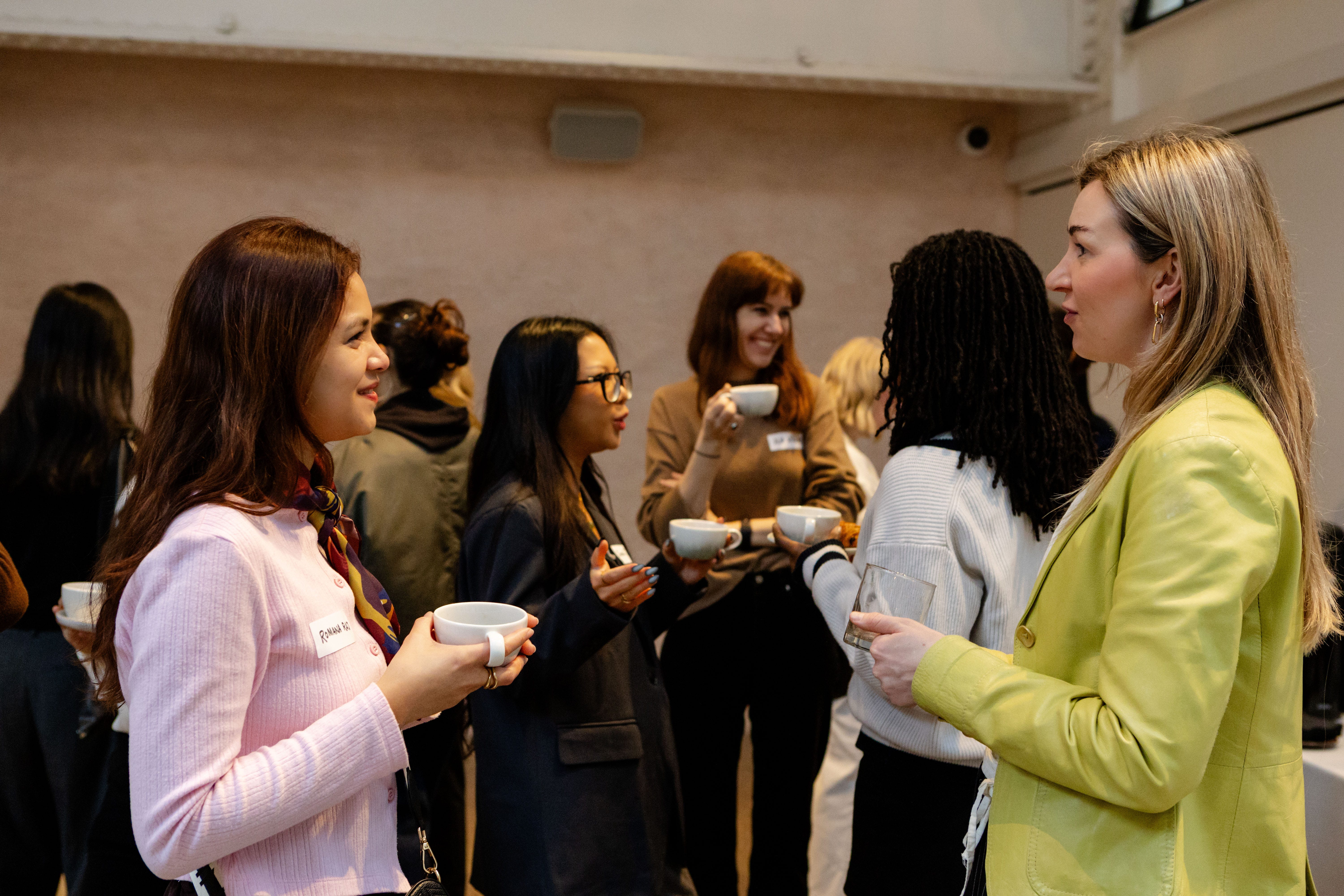
However, what I found was one of the most intentionally designed networking experiences I’ve had at a networking event. After an open networking breakfast during arrivals, the hosts brought the room together and asked every single person — in a room of around 40 — to introduce themselves: their name, their business, and who they were hoping to meet. That alone is rare. Then we were paired with someone we hadn’t yet spoken to and asked to discuss our biggest current business challenge. A handful of those challenges were then opened up to the whole room for collective input and problem-solving. The event closed with open networking, but with a deliberate push to go and find someone you hadn’t yet spoken to. And because we'd already been introduced to everyone in the room, we had an idea of who we wanted to speak with.
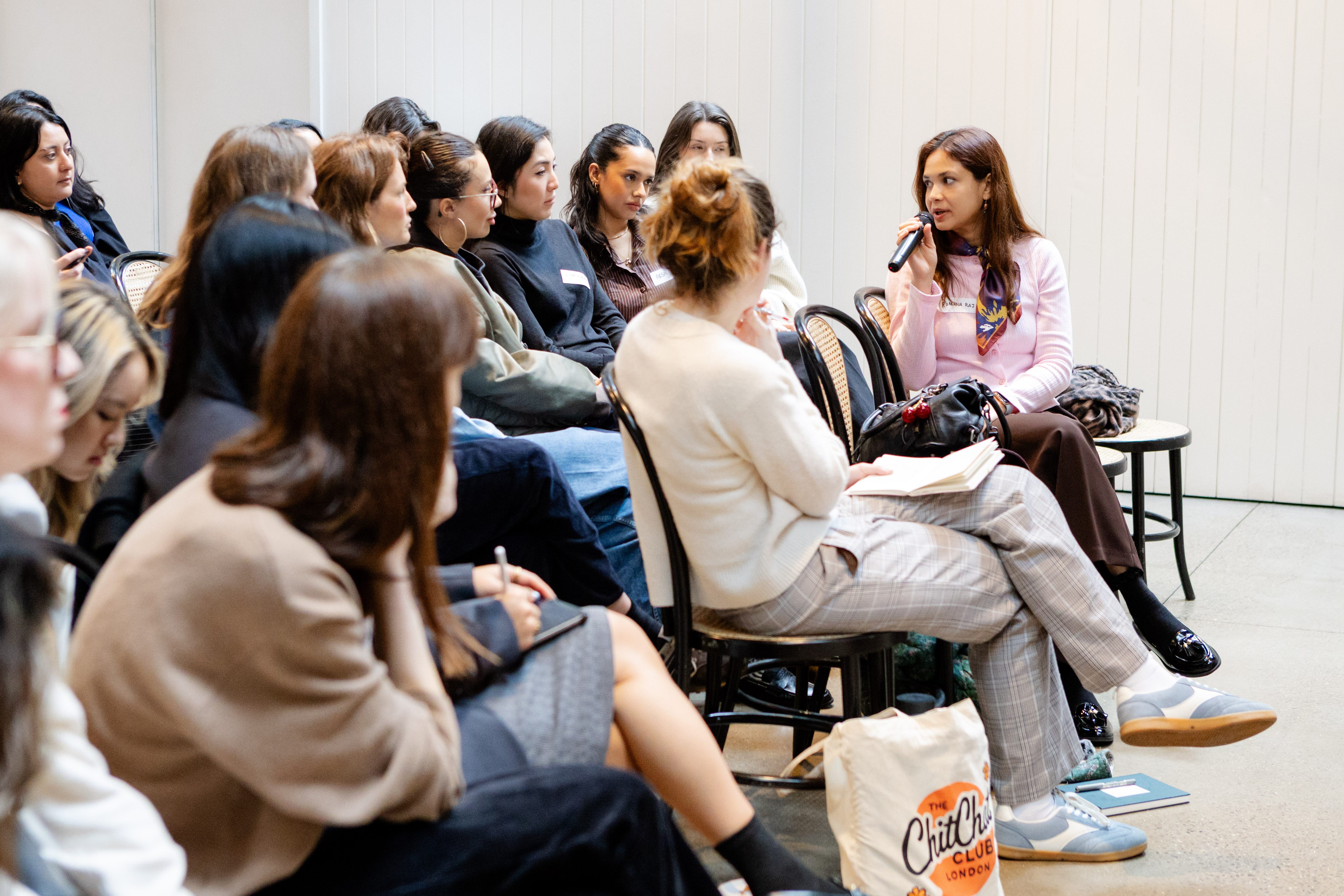
By the time I left, I knew exactly who was in that room. I knew who was relevant to me and why, and I left with a clear list of people to follow up with. That is good event design working exactly as it should. Only, if that format had been made clearer from the description, I believe the event would have got much higher attendance than it did.
What This Means for You as an Event Host
The contrast between these two events is a masterclass in one of the most important — and most overlooked — decisions in event strategy: where do you set the expectation bar, and does your programme actually clear it?
Your event description is a contract. Every word you use creates a picture in the mind of your attendee before they even walk through the door. If you use words like “interactive exercises,” “guided reflection,” or “workshop,” you are making a commitment to a certain type of experience. If the format you then deliver doesn’t match that language, the disappointment your attendees feel isn’t about the event being bad but about the promise being broken. That’s a much harder thing to recover from, because it’s a trust issue rather than a quality one.
Underpromising can be a legitimate strategic choice but only when the execution is strong. The Female Founders breakfast got away with a minimal description because what sat behind it was genuinely exceptional, however, I feel they could have benefited from sharing a little more around the format. Nevertheless, the surprise people felt from the event was entirely positive, and that kind of experience is what gets talked about, shared, and remembered. Ultimately, people become advocates for events that exceed their expectations.
So one important thing to note here is that, if connection is the purpose, it has to be designed. This is where I see so many events lack, and it’s the most important structural point I’ll make. Open networking is not a connection strategy. It’s a framework that rewards the extroverts, leaves the introverts stranded, and results in most people spending the evening talking to the three people they already knew when they arrived. If your event is supposed to bring people together meaningfully, you need to build the mechanisms for that into the programme itself — structured introductions, paired conversations, facilitated group moments — and you need to give them enough time to actually do their job.
Design the outcome first, then write the description. This is the reframe I’d encourage every event host to make. Before you sit down to write your event copy, ask yourself: what do I want my attendees to feel, know, and be able to do when they walk out of the door? Then work backwards:
Does your programme actually deliver that?
Does your description accurately reflect it?
If the answer to either of those questions is no, something needs to change. The description and the delivery have to be in dialogue with each other, not written in isolation.
The best events I’ve attended don’t just deliver a good experience on the day. They set the right expectation before it, and then they honour it — or even better, they exceed it. That’s the standard worth designing towards.
Looking for help designing an event that helps meet your goals? Get expert help to ensure your executive experiences are designed and promoted in the right way. Book a call with The Hook Studio.
What Else is On My Mind?
2026 Events Calendar for the Events Industry - I have been looking for a comprehensive list of events for event industry professionals and found this to be the most comprehensive thus far, so sharing for others who may be looking for a similar list.
World Summit AI Startup Competition - The Hook Studio is working with The World Summit AI and Pathfounders to bring the Pathfounders Startup Stage to live. As part of that event, AI startup founders will compete to be recognised as the most innovative, with the best business strategy and the one AI business to watch for 2026. If you have an AI business, apply here.
Women are harnessing AI and ignoring the tech-brosculinity - I found this podcast with the Female Foundry founder, Agata Nowicka, really interesting where it addresses the report that proves that tech female founders are on the rise but they are still not showing up to tech events like Hackatons. There is a lot of conversation on this topic in this LinkedIn post, so get involved and share your thoughts.
Did you enjoy this Hooked newsletter? Have any topics in mind you’d like us to write about? Drop us a note with your thoughts.
How Can You Support this Substack?
The Hooked Substack is free but you can support it by subscribing and sharing the link with any business owners, marketers, GTM leaders, event professionals or others who may benefit from improving their event strategy to drive more authentic connections and business growth.